- Change theme

Creative Wallpaper Ideas for Bedrooms, Nurseries, and Living Rooms
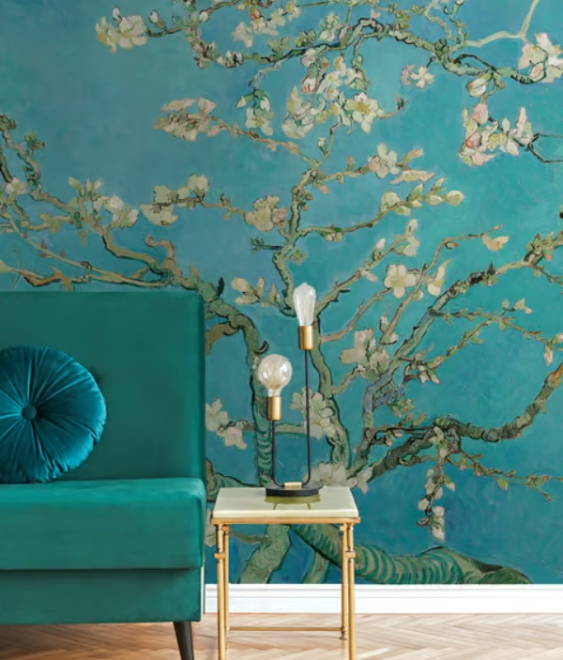
Living rooms are forgiving because you view the walls from farther away. Use that advantage.
18:04 05 June 2026
A room can feel finished with one smart surface change. Wallpaper does that well because it sets the mood, adds depth, and pulls scattered pieces into one story. Done right, it reduces the urge to keep adding décor.
If you need a starting point,go to website and look at rooms first, not thumbnails. Then use the ideas below to match style, scale, and placement to the space you actually live in.
Why Wallpaper Is One of the Easiest Ways to Transform a Room
Paint changes color. Wallpaper changes the whole rhythm of a room. Pattern can soften a boxy layout. A mural can add distance where a wall feels too close. Texture can make plain furniture look intentional.
Wallpaper also gives you control. You can keep it subtle and calming. You can go bold on one wall and stop there. If you want flexibility, peel-and-stick wallpaper can help you test stronger looks without committing for years.
A few reasons it works so well:
- Fast visual impact: one wall can reset the room’s mood.
- Built-in structure: pattern creates order when furniture is simple.
- Flexible commitment: removable formats can be easier to change later.
Wallpaper Ideas That Fit Real Bedrooms, Nurseries, and Living Rooms
Before you pick a design, decide what the wall should do. Should it calm the room down, add personality, or frame a key zone?
Soft Bedroom Wallpaper for a Calm and Relaxing Sleep Space
Bedrooms reward softness. Low contrast and open spacing matter more than trend labels. Start with bedroom wallpaper ideas that look gentle under warm lamps, then keep bedding mostly solid so the room stays quiet.
Statement Wall Murals Behind the Bed
A mural behind the bed works like oversized art. It gives the room one clear focal point, so the rest can be simple. This is where wallpaper for bedroom can feel “designed” even with minimal décor, especially when the image has a soft perspective and no busy micro-detail.
Gentle Nursery Wallpaper Ideas for a Peaceful Baby Room
Nurseries get viewed up close, often under uneven lighting. Choose prints that stay calm at arm’s length. The best wallpaper ideas here use soft edges and plenty of background space, so the wall feels soothing during nighttime routines.
Playful Wallpaper Murals for Kids’ Rooms and Growing Spaces
Kids’ rooms can handle more story, but the wall still needs breathing room. Look for playful themes with simple shapes and controlled color. Wallpaper murals work best here when the composition has one main “moment” instead of constant all-over action.
Living Room Wallpaper Ideas for a Stylish Feature Wall
Living rooms are forgiving because you view the walls from farther away. Use that advantage. Choose a wall that already anchors the layout, then let the pattern do the heavy lifting. Collect living room wallpaper ideas that read clearly from across the room, not only from two feet away.
Botanical and Nature-Inspired Wallpaper for a Fresh Interior Look
Nature-inspired prints add movement without feeling restless when spacing stays open. They also pair easily with wood, linen, and woven textures. In a room that already has a lot going on, this style can look fresh without raising the “noise level.”
Abstract and Geometric Wallpaper for a Modern Home Style
Abstract and geometric designs can make a room feel more architectural. The trick is choosing a scale that reads cleanly in your space. Rounded shapes and calmer grids often feel steadier than sharp zigzags, especially in rooms you use at night.
How to Choose Wallpaper for Each Room in Your Home
Good choices come down to purpose, light, and how much pattern you already have. Use the table as a quick filter, then sample before you commit.
Wallpaper vs Wall Murals: Which Option Is Better for Your Space?
A mural reads as one composition. It behaves like a single large artwork and can replace the need for extra décor. That is why wall murals work so well when you want one wall to anchor the room.
Repeating wallpaper reads as rhythm and texture. It can wrap more walls without feeling like a “scene,” which makes it easier to live with in smaller rooms. If you want a simple rule, pick a mural when you want one wall to lead. Pick a repeat when you want a calmer layer that supports furniture.
Best Wallpaper Styles for Bedrooms, Nurseries, and Living Rooms
If you want a faster way to choose, start with a style direction and then pick placement and scale.
- Floral wallpaper: Best for bedrooms and softer living rooms; keep textiles simple so the wall stays calm.
- Cloud and sky murals: Best for nurseries; use one wall and avoid extra busy décor nearby.
- Forest and nature murals: Best for bedrooms and reading corners; choose a softer contrast in smaller rooms.
- Minimal wallpaper: Best for modern living rooms and home offices; texture matters more than pattern density.
- Large-scale murals: Best for living rooms with one clear feature wall; keep surrounding walls and rugs quieter.
Where to Place Wallpaper for the Best Visual Effect
Placement is what makes wallpaper feel intentional. The same pattern can look calm on the right wall and chaotic on the wrong one. Before you commit, think about what the wall already “does” in the room.
- Behind the bed in a bedroom: This reads like a built-in headboard and keeps the rest quieter.
- Behind the crib or reading corner in a nursery: One feature wall adds personality without visual overload.
- Behind the sofa in a living room: This wall often needs structure and a clear focal point.
- On small accent walls, alcoves, and entry spaces: Stronger pattern works here because you experience it in passing.
What to Know Before Buying Wallpaper Online
A beautiful print can still disappoint if scale, surface, or light gets ignored. Use this checklist before you order.
- Measure the full wall width and height, then account for doors, windows, and trim breaks.
- Confirm the finish and cleanability, especially in high-touch zones.
- Decide between peel-and-stick wallpaper and traditional options before you choose a design.
- Check the design’s scale at real distance, not only on a product page.
- Order a sample and view it in daylight and under your evening bulb.
- Pick a look that can still feel right after the room gets lived in.